

Should You Put Water Softener Cleaning Water In Your Septic Tank
Need Advice?
Back to Resource
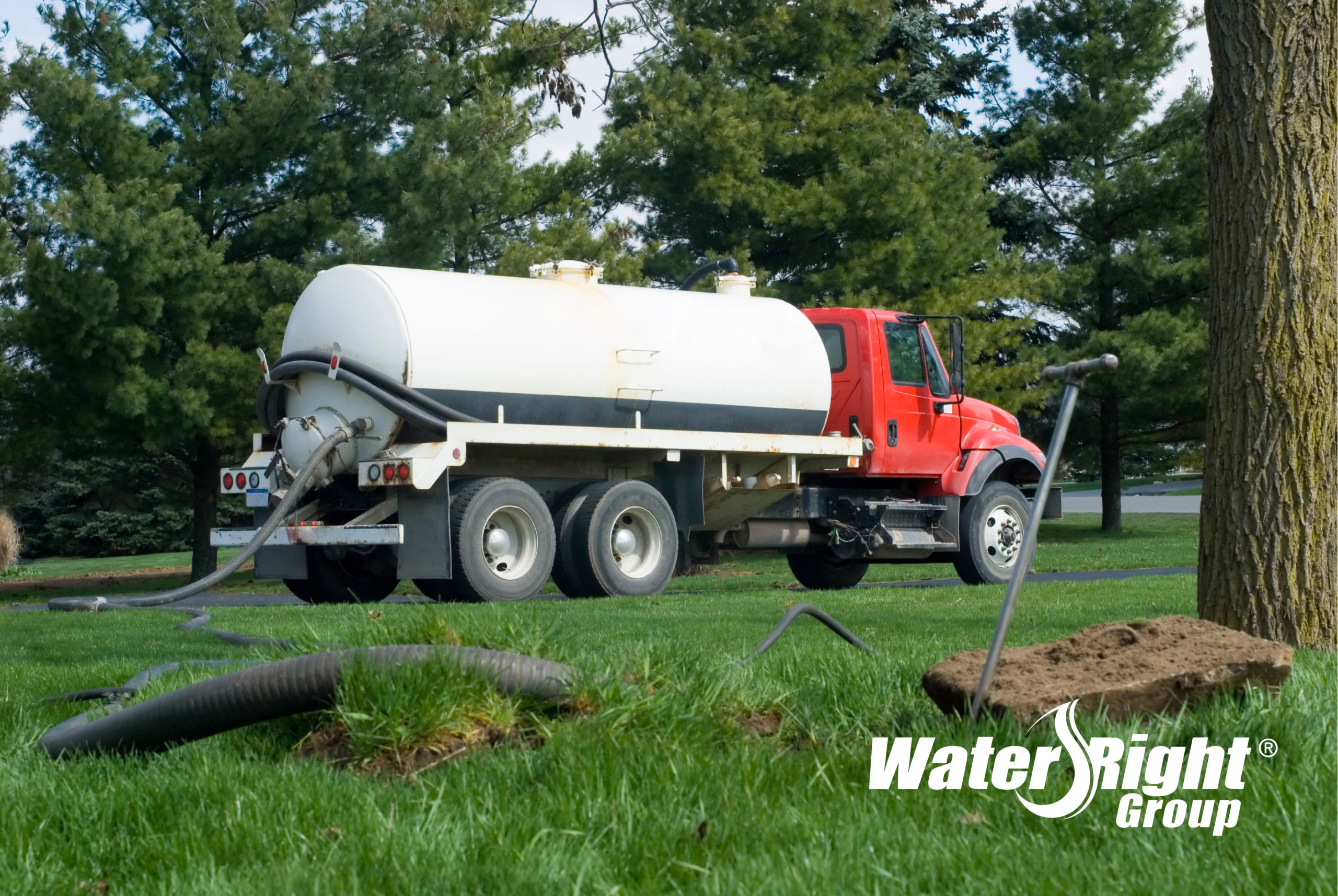
Should I Use a Water Softener When I Take a Septic System?
Studies on the relationship between a h2o softener and septic system take gone as far dorsum as the 70's, through organizations such as the National Sanitation Foundation (NSF), Water Quality Clan (WQA) and Pocket-sized Scale Waste material Direction Projection (SSWMP) at the University of Wisconsin. Inquiry shows that non only does an efficient, well operating water softener have no negative effect on septic systems but the water softener has a potential to assist it.
How a septic organisation works.
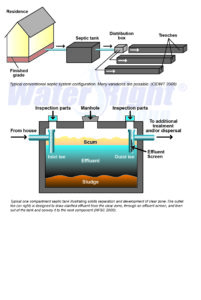
Understanding the components of a septic system is helpful in club to sympathise any potential furnishings your water softener tin have on it. A conventional septic system consists of a septic tank, a distribution box, and a drainfield, all continued past pipes. Wastewater travels through pipes from the home to the septic tank where the solids (sludge) go to the lesser of the tank and lighter material float to the height (scum layer). During the septic handling process, both layers are partially decomposed with the help of bacteria that naturally occurs in human waste material. The septic tank discharges water into a drain field as more wastewater is released from the home.
How a water softener works.
Now that you know the basics of a septic system, let'southward briefly explain the water softener nuts to help y'all ameliorate understand the human relationship between a septic arrangement and a water softener.
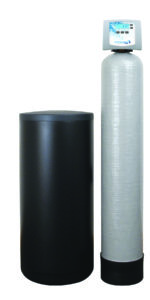
Please visit our "How a Water Softener Works" article for a more in depth description. Water softeners remove hard minerals from your water that may be causing build upwards in your plumbing and appliances, dry pilus and pare, stained laundry, spotty glassware, and more household headaches. About water softeners consist a media tank, and the brine tank. The media tank holds the resin that removes nuisance minerals so soft h2o tin be distributed throughout the habitation. The water softener's brine tank stores salt and will add together water as needed to dissolve the salt into the alkali solution. The brine (table salt water) is used to clean the resin, knocking off the hardness minerals information technology gathered and sending them to the drain, so the unit is set up to remove more minerals.
Why a water softener can help a septic system function better.
One myth associated with a water softener and a septic system is that the sodium in softened waste reduces the effectiveness of the bacteria your septic system needs. Although studies conducted past the Academy of Wisconsin take found this to exist untrue. The University found that soft water tin increment the biological functioning in the septic tank. The correct amount of sodium in the soft water aids bacterial growth, optimizing the septic treatment process. Some other bonus to having soft water is using less soaps, detergents and chemicals when cleaning. By using minimal amounts of cleaning supplies there is less to worry about when it to comes to the issue these chemicals can have on your septic system.
Why an efficient h2o softener will non disrupt a septic system.
The small amount of wastewater produced by the regeneration process, discharged to your septic tank is sometimes misconceived as confusing. 1 concern with water softeners and septic systems is that the corporeality and menses rate of the brine discharge tin can overflow a septic tank and back up the drain field. A written report deputed in 2012 by the Water Quality Research Foundation, reported that brine belch from well operated water softeners (50 gallons per regeneration) showed no overflow. The discharge was no more or less than that of any other household water using appliance.
Why it is information technology necessary to have a high operation water softener.
It is important to understand how the quality of a water softener can influence a septic organization. The discussion of a h2o softener and a septic organization is on-going in part due to extremely inefficient softeners that remain in use. Poorly operating water softeners can produce too much brine waste matter when regenerating more than than necessary, which in some cases may cause problems to arise with older septic systems. If the water softener is releasing too much salt and h2o, this could have a negative consequence on your septic system's role. That's why it is then important to have a properly operating and efficient water softener system in any home.
Where to wait for efficient h2o softeners.
 Water handling professionals offer significant value when it comes to finding the right water treatment for your dwelling. Water softeners that are equipped with W.Eastward.T. (H2o Efficient Technology) can also ensure a water softener is advantageous to your septic system. Systems with Due west.E.T. use simply the amount of salt and water it needs and nothing more than, ensuring your household waste matter is never excessive. Y'all can learn more from our infographic, "How W.Eastward.T. Helps Homeowners Save".
Water-Right offers many solutions for every family, guarantying you will find the right treatment for your household water needs. If yous have more questions on how a water softener might influence the function of your septic system contact your local dealer. For more than answers on other h2o softener myths, visit our "Myths About Water Softeners" page.
Allow Us Pair You with a Local Water Expert

Source: https://www.water-rightgroup.com/resources/septic-system-water-softener/
Posted by: fishersweeme.blogspot.com
0 Response to "Should You Put Water Softener Cleaning Water In Your Septic Tank"
Post a Comment